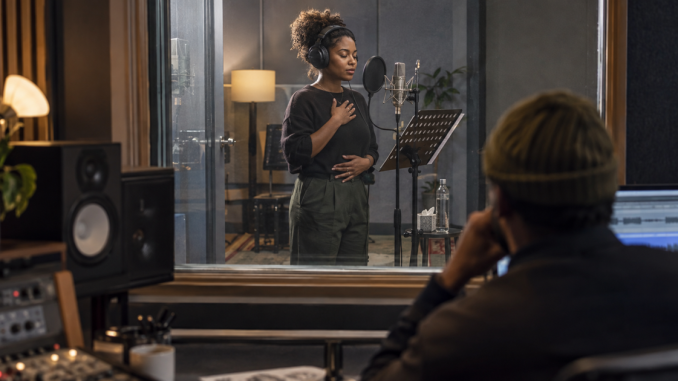
Preparing for a vocal recording session means arriving with the song learned, the key and arrangement confirmed, the lyric and cue decisions marked, and enough physical margin to sing with attention. It does not mean forcing the voice into a perfect condition or trying to control every moment before you hear the room.
The best preparation removes avoidable decisions. That leaves the session for interpretation, communication, and performances you could not manufacture on a checklist.
Confirm the version of the song
Make sure the singer, producer, and engineer are working from the same form, key, tempo, lyric, and guide track. Mark pickups, held notes, harmony entrances, spoken sections, and any alternate lines that are still under consideration. If a decision is open, label it open rather than letting two people prepare different assumptions.
A rough full-song recording can reveal these problems early. The guide to making a preproduction demo belongs before the session; file naming and delivery should follow the published music-file organization method.
Practice the entrances and recoveries
Do not practice only from the beginning. Start a line after silence, enter after an instrumental cue, and recover after a difficult phrase. Know what you listen for before each entrance. That makes punch-ins and section work musical instead of disorienting.
Mark pronunciation and breath choices when consistency matters, but leave room for a better phrase to emerge. Notes should support listening, not replace it.
Protect capacity before the session
Schedule enough rest, food, water, travel time, and quiet for your own needs. Avoid making sudden, extreme changes because someone online calls them a universal vocal rule. A gentle familiar warmup may help you notice how the voice feels; it should not become a second performance before recording starts.
Pain, persistent hoarseness, or a meaningful change in the voice is not a production obstacle to push through. Stop and seek qualified medical or voice-care guidance when appropriate. An article cannot diagnose a vocal problem.
Bring a useful session packet
- the approved guide track and instrumental or session files;
- a clean lyric sheet with section labels and cues;
- the song key, tempo, and count-in information;
- pronunciation references for unfamiliar words or names;
- notes about doubles, harmonies, and alternate sections; and
- contact information for the person authorized to approve changes.
Ask the engineer how files should be delivered instead of guessing technical specifications. When the project later moves toward mixing, prepare stems according to the mix engineer’s instructions.
Build the day around the most valuable work
Decide which sections need fresh attention and which can be captured efficiently. A complete early take can establish the emotional path even if several details will change. Later passes can solve specific lines, consistency, doubles, or harmonies. Save enough attention to review what was recorded rather than ending only when the clock runs out.
Communicate what you feel and what you hear
“Again” is not much direction. Say whether the issue is pitch, rhythm, diction, breath, tone, emotional intention, or the relationship to another part. The producer and singer should also name what is already working. A clear reference prevents the session from chasing change for its own sake.
Leave with decisions, not just files
Before closing, confirm which takes are preferred, what remains unresolved, whether another session is needed, who will prepare the next files, and where backups live. You do not need to decide the final vocal edit in the room unless that is the agreed workflow. You do need a trustworthy path back into the work.
Are you an independent musician working to build a real career from your music?
As a musician, you do everything a business owner does – you create and deliver products, manage schedules, handle finances, and do everything else a business owner does. We believe you deserve to be paid like one… and Music Sense can make it happen.



Be the first to comment